
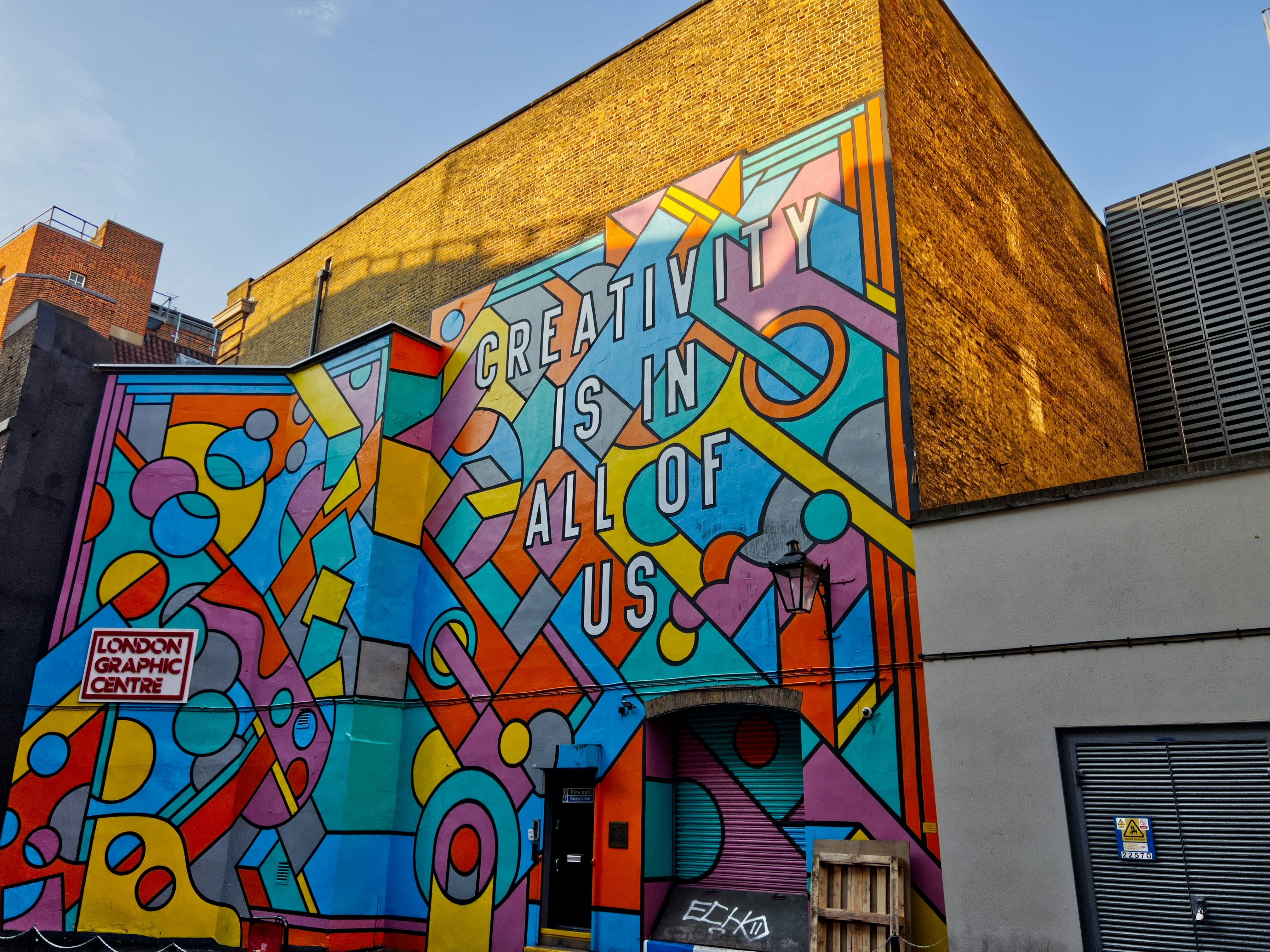
Creativity plays a pivotal role in education, serving as a catalyst for critical thinking, problem-solving, and emotional intelligence among students. It transcends traditional boundaries of learning, encouraging students to explore various perspectives and develop unique solutions to challenges. By integrating creative subjects such as visual arts, music, and drama into the traditional curriculum, educators can foster an environment that promotes innovation and engagement.
One of the significant benefits of harnessing creativity in education is its capacity to enhance critical thinking skills. When students engage in creative activities, they learn to analyze situations, synthesize information, and make informed decisions. This process not only boosts their academic performance but also prepares them for real-world challenges where innovative thinking is essential.
Moreover, creative expression contributes significantly to the emotional intelligence of students. Through artistic practices, learners develop a deeper understanding of their emotions and those of their peers. This heightened emotional awareness fosters collaboration, empathy, and effective communication skills, which are vital competencies in today’s interconnected world.
Furthermore, the integration of creative disciplines into educational frameworks leads to a more inclusive learning atmosphere. Students come from diverse backgrounds, each with their own unique experiences and perspectives. By embracing creativity, educators can create a space where all students feel valued and encouraged to contribute. This inclusivity not only nurtures individual talents but also cultivates a sense of community within the classroom, enhancing the overall educational experience.
In summary, the role of creativity in education is indispensable. It not only amplifies critical thinking and problem-solving abilities but also promotes emotional intelligence and inclusivity. By prioritizing creative subjects within the education system, we can cultivate a generation of learners equipped with essential skills for future success.
Exploring Various Forms of Artistic Expression
Artistic expression encompasses a wide array of disciplines that can be effectively integrated into school curricula. Each form brings with it distinct opportunities for children to develop their creative abilities, engage with their peers, and nurture personal growth.
One of the most traditional forms of artistic expression is painting. Through techniques such as watercolors, acrylics, and pastels, students can explore color theory, composition, and texture. Painting encourages imagination and provides a sensory experience that enhances fine motor skills. Moreover, as students share their artwork, they cultivate a sense of community and confidence.
Dance is another powerful medium that schools can embrace. It not only fosters physical fitness but also promotes emotional expression and body awareness. Various dance styles, ranging from ballet to hip-hop, allow students to explore different cultures while improving their coordination and teamwork skills. Participation in dance can boost self-esteem as students perform in front of their peers, thereby enhancing their social skills through collaboration and shared experiences.
Singing and music education offer additional avenues for artistic development. Engaging in vocal practices or learning to play an instrument can significantly improve cognitive abilities, such as memory and concentration. Moreover, music encourages collaboration in group settings, whether through choir participation or small ensembles, which can lead to lasting friendships. Beyond the technical skills involved in performing, music often serves as an emotional outlet, helping students express their feelings and connect with others on a deeper level.
Incorporating these forms of artistic expression into schools fosters a well-rounded education. They not only focus on developing artistic talent but also instill confidence and enhance vital social skills among students, ultimately enriching their overall educational experience.
Case Studies: Successful Arts Programs in Schools
Art education plays a crucial role in the overall development of students by fostering creativity, enhancing problem-solving skills, and boosting self-confidence. Numerous schools around the world have successfully integrated arts programs that not only engage students but also improve their academic performance. One notable example is the Turnaround Arts initiative led by the Kennedy Center in the United States. This program focuses on schools in underserved communities, integrating various art forms such as visual arts, music, and drama into students’ everyday learning experiences. In one case, a high school in Sacramento, California, saw a remarkable increase in student attendance and engagement after implementing a dance program. Students, who previously struggled with motivation, became actively involved in their education, showcasing how the arts can revitalize a learning environment.
Another insightful case study comes from a primary school in the UK, where a comprehensive arts curriculum was introduced. The school incorporated painting and singing into the traditional curriculum, with the primary objective of enhancing students’ cognitive abilities and social skills. Teachers reported that students exhibited increased collaboration and communication skills through group art projects and performances. One student, reflecting on her experience, mentioned how participating in a school musical not only improved her confidence but also fostered lasting friendships with her peers.
Additionally, in Finland, where the education system is known for its innovative practices, schools have employed art-infused teaching methods that highlight the links between creativity and academic success. Teachers have utilized visual storytelling as a way to improve literacy rates among students, transforming abstract learning concepts into engaging art projects. As a result, students demonstrated significant improvements in reading and writing skills, further emphasizing the substantial benefits of incorporating the arts in education.
Strategies for Integrating Creativity into the School Curriculum
Integrating creativity into the school curriculum is essential for fostering a well-rounded education that promotes critical thinking and innovation. One effective strategy is to implement collaborative projects that blend the arts with STEM (Science, Technology, Engineering, and Mathematics) subjects. Such projects can encourage students to think creatively while applying their knowledge in real-world scenarios. For instance, a project could involve students designing a sustainable garden, which requires them to research plant biology (STEM) while also expressing their aesthetic sensibilities through artistic design.
Another valuable approach is to encourage community involvement by partnering with local artists, musicians, and cultural organizations. By inviting these professionals into the classroom or organizing field trips to creative venues, schools can expose students to various artistic disciplines. This not only enriches their learning experience but also strengthens community ties and provides students with role models who exemplify the significance of creativity in their respective fields.
In addition to project-based learning and community collaboration, school administrators should prioritize resource allocation to support creative initiatives. This includes budgeting for art supplies, technology, and training programs for teachers. Professional development should be designed to equip educators with the skills necessary to facilitate creative learning experiences, enabling them to introduce innovative teaching methodologies that emphasize creativity.
Lastly, assessing student growth in creative areas can be challenging but is essential for understanding the impact of an arts-integrated curriculum. Educators can utilize performance-based assessments, portfolios, or self-reflection activities to gauge students’ progress in creative skills. By adopting these strategies, schools can create an environment that nurtures creativity, ultimately preparing students to thrive in an increasingly complex world.
